
1. History of the Department of Russian Language and Literature
Pursuant to Resolution No. 408 of the Cabinet of Ministers of the Republic of Uzbekistan dated 30 June 2021, “On Measures to Organise the Activities of the Uzbek–Finnish Pedagogical Institute under Samarkand State University,” the Uzbek–Finnish Pedagogical Institute was established in the city of Samarkand. Within the institutional structure, the Department of Methods of Teaching the Russian Language commenced its activities at the Faculty of Foreign Languages and Humanities.
From 2021 to 2023, the Department was headed by Professor I. T. Babakulov. During this period, the academic staff published approximately 100 scholarly articles. From August 2023 onwards, the scope of the Department’s activities was significantly expanded to encompass such academic fields as Russian literature, literary studies, textual analysis, stylistics and linguistics. As a result, the Department of Russian Language and Literature began to function within the Faculty in an extended format. On 12 August 2023, Mavlyanova Tamila Bakhrilloyevna was appointed Head of the Department of Russian Language and Literature.
The Department of Russian Language and Literature conducts its activities in educational and methodological, research, and cultural and educational domains in accordance with an approved annual plan. The teaching process makes active use of interactive methods, information and communication technologies, multimedia tools, and contemporary pedagogical approaches, including project-based and problem-based learning. In order to enhance students’ knowledge and professional competencies, more than 100 open classes were organised, during which the academic staff of the Department demonstrated advanced pedagogical practices. In addition, methodological seminars, round-table discussions and peer lesson analyses were held throughout the academic year, aimed at improving the educational process and enhancing the quality of teaching and methodological support.
With the aim of identifying gifted and highly motivated students and fostering their academic and creative potential, a system of individual mentoring was introduced within the Department, alongside the organisation of supplementary classes.
As a result of these efforts, the quality of education has improved markedly: modern pedagogical technologies and innovative approaches have been successfully integrated into the teaching process. This has contributed to a growing student interest in the disciplines of Russian language and literature, as well as a noticeable enhancement of their theoretical and practical knowledge.
Within the framework of scientific, methodological and educational work with students, particular emphasis has been placed on the development of independent thinking skills and the formation of professional competencies.
In the economic sphere, the Department has concluded a total of 23 contractual agreements. These agreements provide financial support for educational, research and practical activities and contribute to strengthening the material and technical base of the Department.
The Department’s staff actively participate in international grant programmes and develop international cooperation, thereby expanding opportunities for attracting foreign investment. In particular, more than USD 130,000 is attracted annually to meet the Department’s needs; these funds are allocated to the modernisation of the educational process, the implementation of research projects, and the enhancement of the scientific potential of both academic staff and students.
Senior Lecturer of the Department of Russian Language and Literature, Z. Ch. Rajabova, actively participated from 15 to 28 August 2025 in the final stage of the international project “Classroom Friendship,” held at the Mentor children’s health camp in the city of Sochi, Russian Federation. Within the framework of the project, together with 26 students of the Samarkand State Pedagogical Institute, she organised educational and practical classes, cultural and educational events, and interactive training sessions. During the project’s implementation, students were afforded opportunities for fluent communication in Russian, teamwork, the development of intercultural cooperation, and the demonstration of their creative and intellectual abilities. The project had a positive impact on strengthening students’ linguistic competencies, facilitated international exchange of experience, and contributed to their professional and personal development. The activities conducted within this international project served to expand the Department’s international ties, improve the quality of the educational process, and stimulate students’ participation in international initiatives.
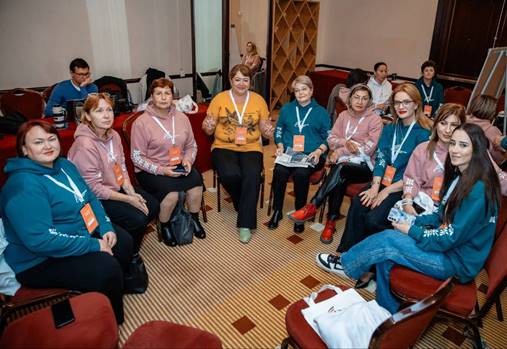
The Head of the Department of Russian Language and Literature, T. B. Mavlyanova, actively participated from 17 to 26 August 2025 in the cultural and educational project “The School of the Russian Language and Russian Folk Culture,” organised by Derzhavin Tambov State University (Russian Federation). The project included lectures, practical classes and cultural events devoted to modern methodologies of teaching Russian language and literature, as well as to the cultural heritage, customs and traditions of the Russian people. Mavlyanova’s participation enabled the exchange of international experience and the establishment and strengthening of academic and pedagogical ties with representatives of foreign higher education institutions. The activities carried out within this project contributed to the expansion of the Department’s international engagement, the introduction of best practices into the educational process, and the enhancement of the professional capacity of the academic staff.
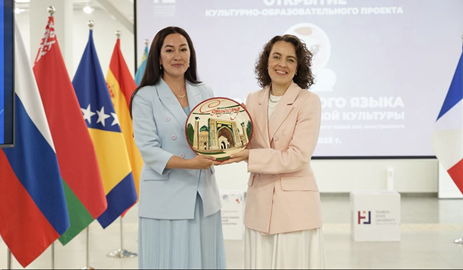
Senior Lecturer Z. Ch. Rajabova also took an active part from 25 to 29 September 2025 in the International Forum of Inclusive Creative Industries, organised on the initiative of the Eurasia Autonomous Non-Profit Organisation in Moscow (Russian Federation). The forum addressed contemporary approaches to the development of inclusive education and creative industries, the integration of culture and education, and issues related to supporting socially vulnerable groups. Participation in the forum enabled Z. Ch. Rajabova to study advanced international practices, establish professional contacts with foreign specialists, and apply the acquired knowledge and skills in the Department’s activities and the educational process.
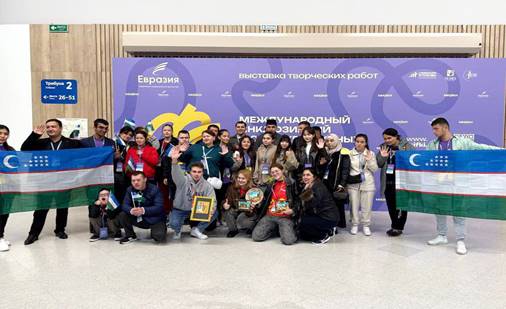
The academic staff of the Samarkand State Pedagogical Institute actively participated in the “Holiday School” project organised by the Eurasia Autonomous Non-Profit Organisation in Moscow (Russian Federation). Within the framework of this project, lecturers attended lectures, practical classes, seminar-based training sessions and experience-sharing meetings, which significantly enhanced their professional knowledge and competencies.
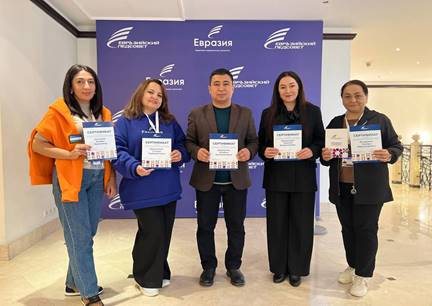
The Head of the Department of Russian Language and Literature, T. B. Mavlyanova, also took an active part in the XV International Conference “Preservation and Promotion of the Russian Language and Culture Abroad,” held in Minsk, Republic of Belarus. Participation in this prestigious conference provided her with an opportunity to familiarise herself with advanced methodologies of teaching Russian language and literature, expand international academic ties, and effectively implement the acquired knowledge in the Department’s activities and the educational process.
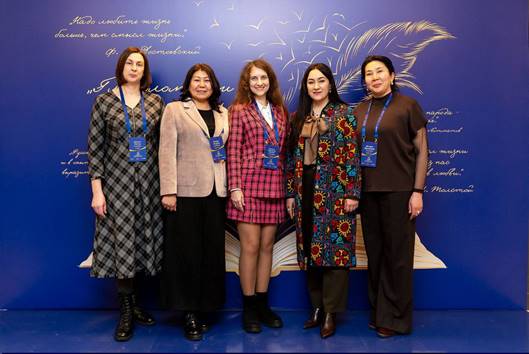
The staff of the Department of Russian Language and Literature actively participate in Summer Schools organised by the Samarkand State Pedagogical Institute. These schools offer educational and training sessions, master classes, academic seminars and cultural and educational events. The 2025 Summer School brought together leading professors, lecturers, scholars and specialists from more than ten foreign countries, who shared their professional and academic expertise. Particular attention was devoted to modern educational methodologies, innovative approaches, and the development of international academic cooperation.
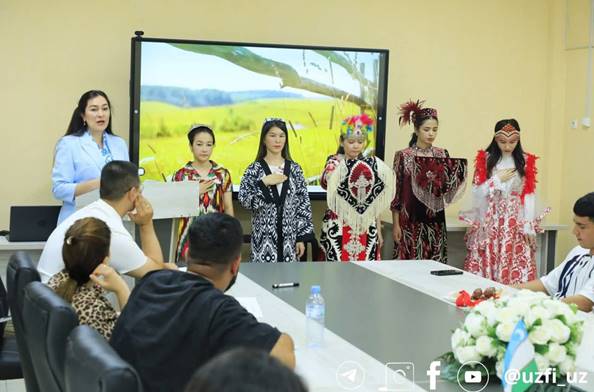
In order to integrate science, education and practical activity, the Department of Russian Language and Literature has concluded more than 30 cooperation agreements with regional and municipal general education schools. Within the framework of these agreements, activities are implemented that focus on experience exchange with schools, the organisation of practical training, the professional development of teaching staff, and the improvement of educational quality.
In accordance with Presidential Resolution No. PP–289 of the Republic of Uzbekistan, the academic staff of the Department established a departmental branch at General Education School No. 53 in the city of Samarkand. The activities of this branch ensure the organisation of students’ teaching practice, the professional development of teachers, the conduct of open lessons, seminar-based training sessions and academic and methodological events. This contributes to strengthening cooperation between higher education institutions and general education schools, expanding students’ practical experience, and introducing modern educational technologies.
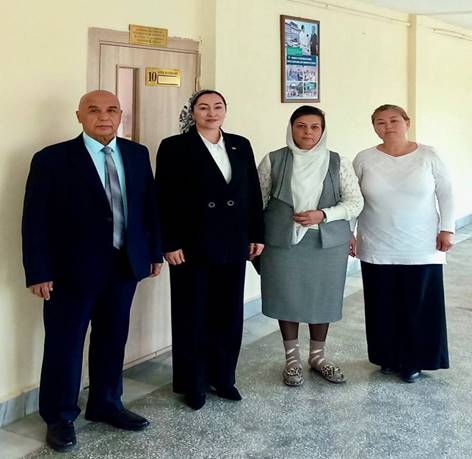
The Department of Russian Language and Literature has also organised supplementary classes in the subject “Russian Language” at General Education School No. 55 in the Bulungur District. These classes include a wide range of activities aimed at developing pupils’ reading literacy, expanding their vocabulary and enhancing their interest in language learning, including active methods of reading promotion. Particular attention is paid to fostering independent reading skills and developing the ability to engage in in-depth comprehension of works of Russian literature and contemporary texts. The Department’s activities in this area are systematic in nature and are directed towards improving educational quality, fostering pupils’ intellectual development, and strengthening their cultural and educational potential.
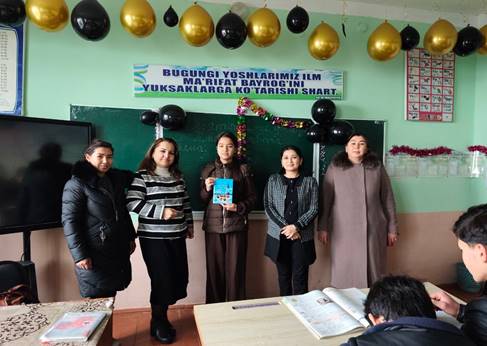
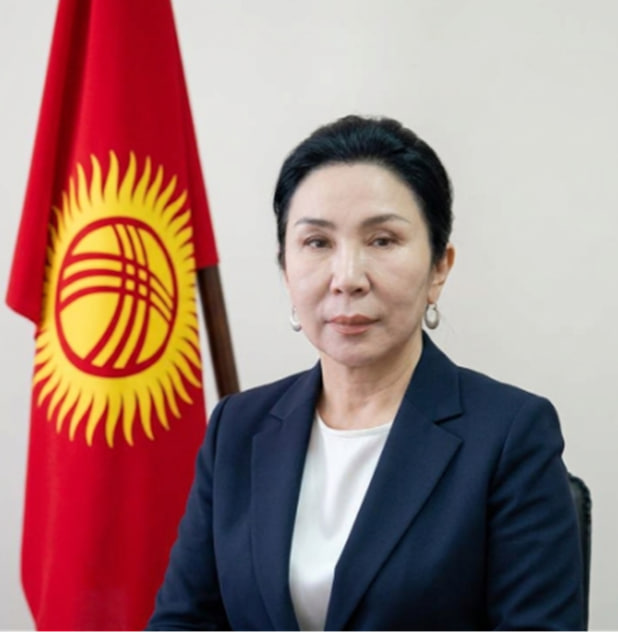
Candidate of Philological Sciences and Associate Professor Anna Vladimirovna Dmitrova serves as Director of the Institute of Philology and Communication at Southern Federal University. Concurrently, she holds a part-time position at the Department of Russian Language and Literature of the Samarkand State Pedagogical Institute. In her scholarly work, A. V. Dmitrova conducts in-depth research in linguistics, literary studies and communication theory. She participates in a number of international and national research projects and supervises the research activities of undergraduate and postgraduate students.
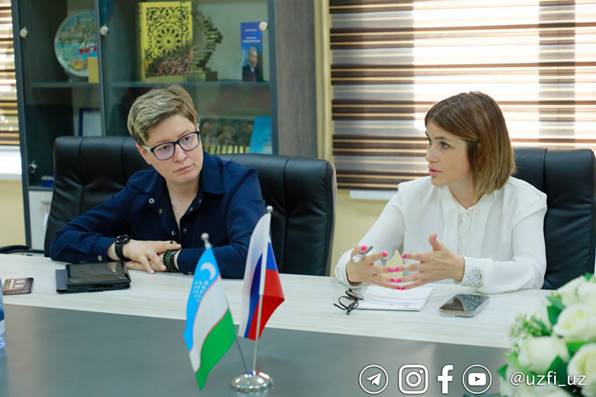
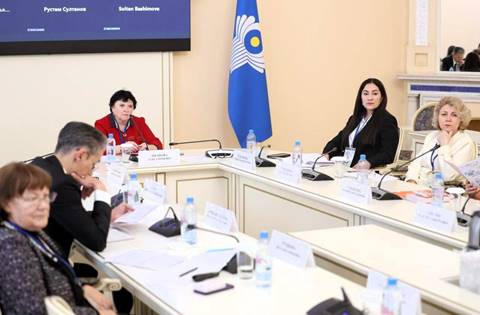
The Head of the Department of Russian Language and Literature, Doctor of Philological Sciences T. B. Mavlyanova, actively participated as a moderator from 16 to 22 October in the international conference “The Russian Language as the Foundation of Integrated Communication in the CIS Countries,” held at the Interparliamentary Assembly of the CIS Member States. Within the framework of the conference, she addressed key issues related to the role of the Russian language in the region, its significance for communication and integration processes, and prospects for development in the field of education. She coordinated discussions, responded to participants’ questions, and contributed to the formulation of academic and practical recommendations.
The Department of Russian Language and Literature has developed a systematic plan of activities aimed at the effective organisation of research work based on the Mentor–Student (“Ustoz–Shogird”) model. Within this framework, academic staff transfer their experience and knowledge to young researchers, engage them in scholarly activities, and provide guidance in publication efforts. As a result, during the 2024–2025 academic year, students affiliated with the Department published 90 articles in international academic journals, 31 articles in national scholarly publications, 44 articles in the proceedings of international and national scientific and practical conferences, and 20 articles in journals recognised by the Higher Attestation Commission.
To identify talented young people and stimulate their research activity, the “Enthusiasts of the Russian Language” academic club was established. Students participating in the club regularly attend academic seminars and training sessions and engage in project-based activities, enabling them to deepen their knowledge of linguistics, literary studies and communication. To support young scholars and enhance their research potential, the Department implements the following measures:
- Involving students in research projects and supervising their individual research work;
- Providing methodological support in research activities and facilitating the publication of results on international platforms;
- Conducting academic consultations, master classes and seminars by departmental staff;
- Promoting publication activity among young scholars and assisting with the publication of articles in academic journals and conference proceedings.
Through the implementation of these measures, the Department has identified talented young researchers, stimulated their academic activity, and expanded opportunities for the successful participation of students and early-career scholars in research at both international and national levels.
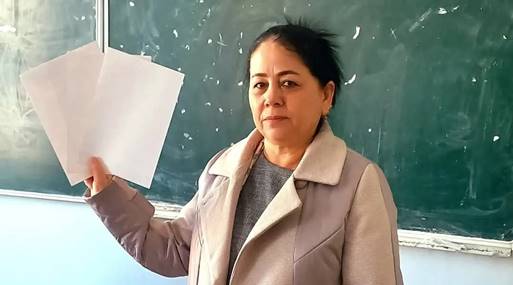
In accordance with Rector’s Order No. 46-ij dated 10 March 2025, “On the Organisation of the III Traditional Scientific Conference of Academic Staff, Master’s Students and Undergraduates,” a faculty-wide scientific conference was held in March 2025 with the participation of students from all fields of study. Within the framework of the conference, students presented the results of their research and projects, exchanged experience with academic staff, and enhanced their competencies in research methodology and publication activity. The event contributed to the development of students’ and young scholars’ research potential, encouraged independent scholarly work, and strengthened the academic environment at the faculty level.
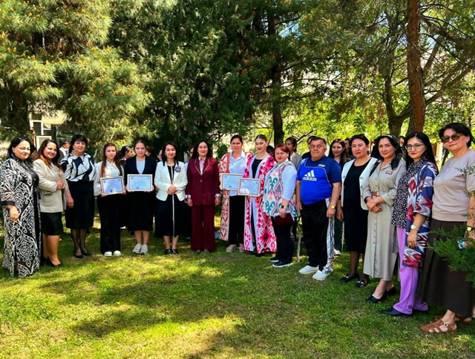
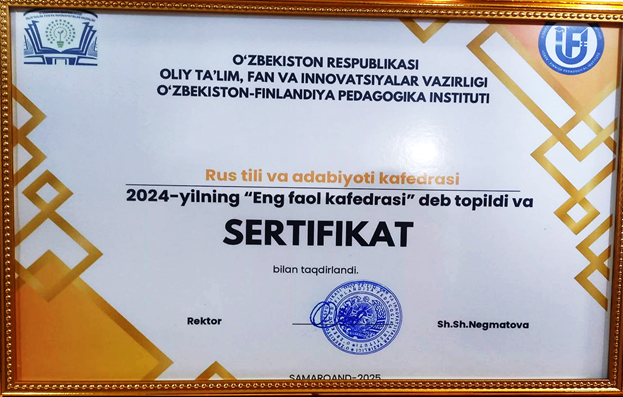
Recognition of Academic Staff and Young Researchers of the Department
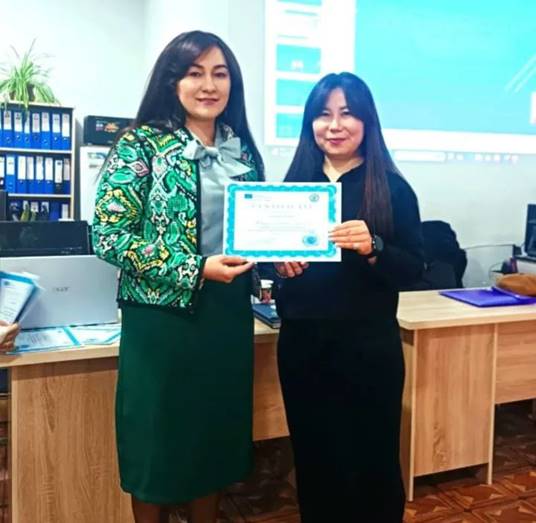
Based on the results of scholarly activity in 2025, lecturers of the Department of Russian Language and Literature were recognised in the following categories:
- Z. Ch. Rajabova and G. S. Burkhanova — “Most Active Lecturers”;
- G. Z. Abrueva — “Most Active Young Researcher.”
These awards were conferred in order to highlight the achievements of the Department’s staff in academic and pedagogical activities and to acknowledge effective work in supporting young researchers and actively involving them in scholarly research.
EFFECTIVENESS OF RESEARCH ACTIVITIES
In 2025, the academic staff of the Department of Russian Language and Literature published a total of 196 scholarly articles and abstracts, including:
- 102 research articles in international academic journals (including one article indexed in the Web of Science and Scopus databases);
- 34 articles in national academic journals;
- 42 conference abstracts presented at international and republican scientific conferences;
- 18 articles published in periodical mass media outlets.
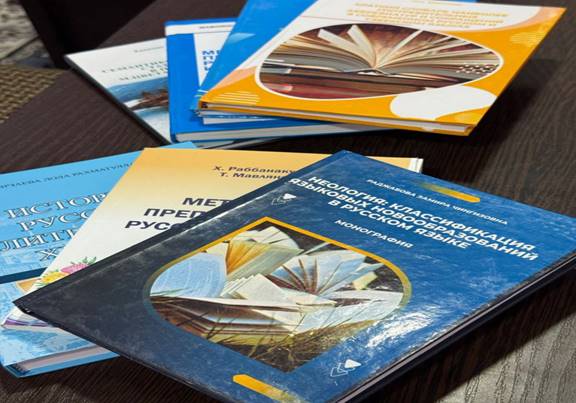
In addition, two certificates were obtained from Derzhavin State University, one monograph was published, and six teaching manuals were produced. These outcomes attest to a high level of scholarly productivity within the Department and demonstrate the effectiveness of the academic staff’s work in research and publication activities.
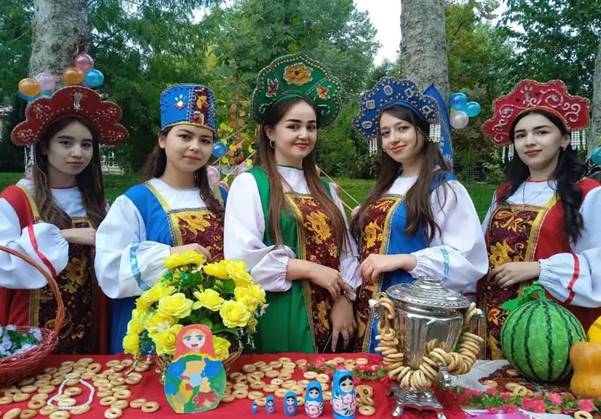
In the sphere of educational and outreach activities, the Department of Russian Language and Literature takes an active role in organising a wide range of initiatives, including round-table discussions, spirituality sessions, meetings, open classes, and cultural and educational events. These initiatives are aimed at fostering respect among students and academic staff for national as well as universal human values.
2. Academic Programmes Delivered by the Department
The Department of Russian Language and Literature develops modern and competitive academic programmes across all disciplines it delivers. Curriculum design is carried out in cooperation with leading Russian universities, including Lomonosov Moscow State University and Saint Petersburg State University, both ranked among the Top 300 universities worldwide.
Drawing upon the core educational programmes of these prestigious institutions, the Department designs its own syllabi and course programmes, which have been successfully implemented in the teaching and learning process. All documentation is prepared in compliance with international educational standards, the competency-based approach, and the principles of interdisciplinary integration.
The Head of the Department of Russian Language and Literature, T. B. Mavlyanova, is an international expert and a member of the Council for Core Educational Programmes at Saint Petersburg State University. Her active involvement in the development and refinement of curricula contributes significantly to enhancing the quality of education within the Department, facilitating the adoption of advanced international experience, and strengthening global academic cooperation.
The Department has developed academic programmes in the following disciplines:
- Practical Course in the Russian Language
- Introduction to the Specialisation
- History of Foreign Literature
- Russian Stylistics
- Modern Russian Language with Fundamentals of Linguistics
- History of Russian Literature
- Fundamentals of Scientific Research
- Modern Parts of Speech and Morphology of the Russian Language
- Practical Course in the Literature of CIS Nations
- Practical Course in Expressive Reading
- Linguistic Analysis of Literary Texts
- Methodology of Teaching the Russian Language
- Russian Stylistics and Linguistic Analysis of Literary Texts
- Russian Drama of the Second Half of the Twentieth Century
- Traditional and Innovative Technologies in the Study of the Russian Language
- The Fantasy Genre in Contemporary Russian Literature
- Foreign Children’s Literature
- Russian-Language Poetry of Uzbekistan
- Practical Course in the Russian Language (Orthography Module)
- General Linguistics
3. Bachelor’s Degree Programme 60111700 – Native Language and Literature (Russian Language) Samarkand State Pedagogical Institute
The aim of the programme is to ensure comprehensive mastery of theoretical and practical knowledge of the Russian language, to prepare students for pedagogical activity, and to train highly qualified specialists in the teaching of Russian language and literature.
Key Programme Information:
- Programme code: 60111700
- Duration of study: 4 years (full-time)
- Mode of study: Credit-based system
- Total credits: 240 (60 credits per academic year)
Within the framework of this programme, students study the theory and practice of the Russian language, the history and theory of Russian literature, modern linguistic approaches, fundamentals of pedagogical methodology and lesson planning, and acquire skills in applying innovative technologies in educational and practical teaching activities.
Graduates are qualified to work as teachers of Russian language and literature in general secondary schools, as well as in secondary specialised and vocational educational institutions. They are capable of performing pedagogical and organisational functions related to the management of the educational process.
The programme is designed to develop profound linguistic competence, strengthen theoretical and practical skills in Russian literature, prepare qualified teaching professionals, promote research activity, and ensure the effective application of pedagogical methods in practice. Admission to the Institute is conducted through centralised testing administered by the State Testing Centre.
4. Academic and Teaching Staff of the Department
The educational process at the Department of Russian Language and Literature is delivered by 26 members of academic staff:
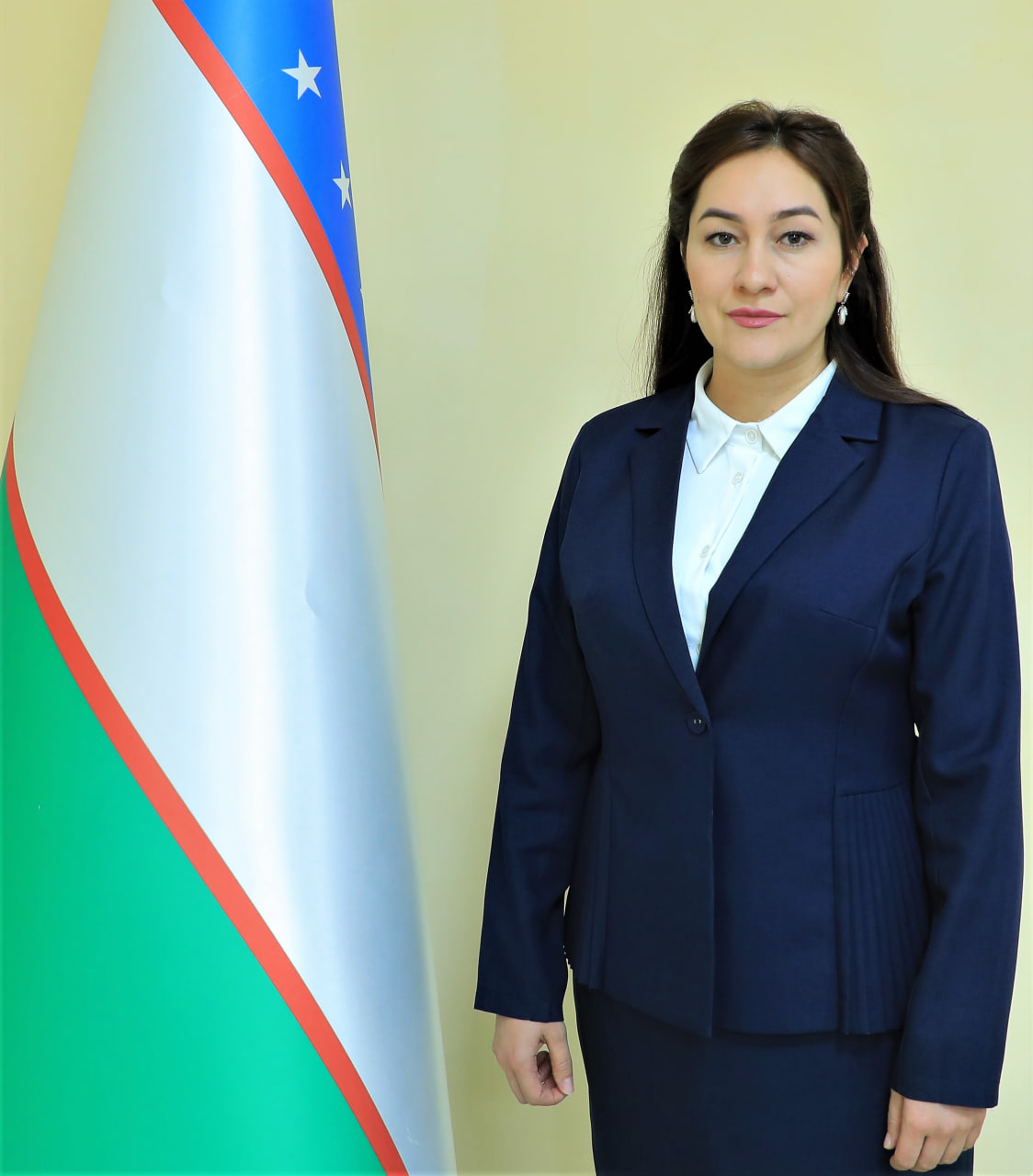
- Mavlyanova Tamilla Bakhrilovna — Doctor of Philosophy (PhD) in Philological Sciences, Associate Professor, international expert and member of the Council for Core Educational Programmes of Saint Petersburg State University, and a member of the Union of Translators of Russia;
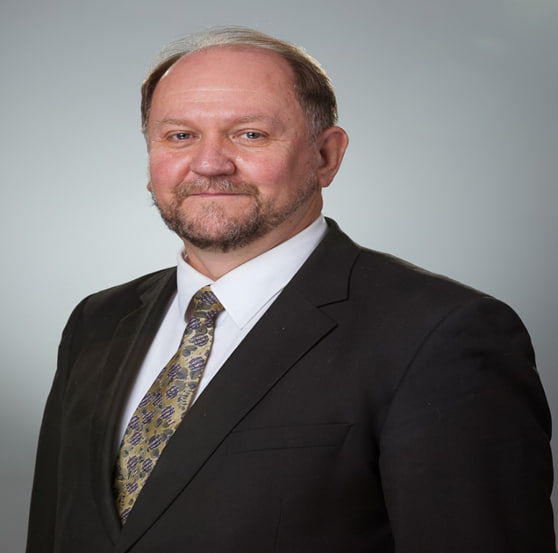
- Polikarpov Alexander Mikhailovich — Professor, Doctor of Philological Sciences, and Director of the Research Centre “Interactive Translation Studies of the Circumpolar Region”;
- Rabbanakulov Khikmat Rabbanakulovich — Associate Professor, Candidate of Philological Sciences;
- Bekmirzaeva Lola Rakhmatullaevna — Doctor of Philosophy (PhD) in Philological Sciences;
- Yakubova Feruza Yusufovna — Doctor of Philosophy (PhD) in Pedagogical Sciences;
- Rajabova Zamira Chingizovna — Senior Lecturer, Mentor at the Autonomous Non-Profit Organisation “Eurasia”;
- Vokhidova Nigora Abduz — Senior Lecturer, Mentor at the Autonomous Non-Profit Organisation “Eurasia”;
- Burkhanova Gulrukh Sadriddinovna
- Urunova Feruza Khaydarovna
- Bakhrieva Sabina Sobirzhanovna
- Yakubova Munavvar Ismailovna
- Bender Regina Sukhrobovna
- Abrueva Gulnoz Zafarovna
- Shodiyeva Matlyuba Soleevna
- Kholikulova Yulduz Shodievna
- Kudratova Gulrukh Izzatullaeva
- Nurmukhamedova Mohira Uralovna
- Sultanova Zulkhumor Sabatullaevna
- Ochilova Nasiba Nematovna
- Sultanmurodova Farangiz Akramovna
- Djuraeva Farahbonu Ismatullaeva
- Gulyamova Fatima Mekhriddinovna
- Siddikova Ilina Ilgizovna
- Negmatova Navruza Nodirovna
- Fakhrutdinov Ramil Erikovich
- Yuldusheva Saodat Turakulovna
Xorijlik o‘qituvchilar
Department of Russian language and literature
Polikarpov Aleksandr Mixaylovich
Department of Russian language and literature
